


A Crummey look at the darker side of Mockbeggar
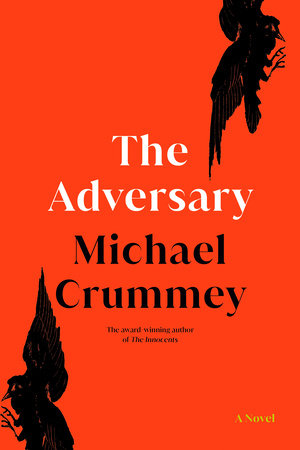
From Atlantic Books Today #98, fall 2023: A Q&A with Michael Crummey about The Adversary
Q. The Adversary is set around the same time and same place as The Innocents, late 18th century in northern Newfoundland. What sparked your desire to return?
A. I was kind of intrigued by the notion of writing a companion book to The Innocents in the way that Blake mirrored his Songs of Innocence with the Songs of Experience, turning that world on its head to explore the darker side of our lives. It’s not a sequel. You don’t need to know anything about The Innocents to read The Adversary. But if you have, there’s a lot of light reflecting back and forth. Where The Innocents is a kind of Adam and Eve story about a brother and sister who love each other and survive for each other, The Adversary is a Cain and Abel story about a brother and sister who despise each other and actively wish each other harm.
Like everyone else, I’ve been feeling oppressed by the world’s turn to authoritarianism and fascism over the last decade or so. And I decided to explore that dynamic in miniature, recreating those power dynamics operating within the tiny outport community of Mockbeggar.
Q. The people we meet in The Adversary often appear to be deeply flawed. Greed and anger drive a lot of the action. Do you observe these traits in real people, and then work them into your writing? Or do they emerge from the characters as you’re writing?

A. It all starts in the real world. Abe Strapp is based loosely on an 18th century figure who embodies all of those things, and he seemed a kind of avatar for the worst of what is happening in our own time and place. The Widow Caines is completely different in how she operates, but both characters are savagely narcissistic and incapable of real empathy. All their relationships are transactional, they are interested only in what they can get from the people and things around them. Which I think also describes a lot of current politicians and CEOs.
Q. While you depict a male-dominated time and place, the women in this book stand out. As a modern man writing about women in an earlier time, how did you try to create authentic voices for their experiences?
A. Most of Newfoundland history is about men: men’s stories and experiences. But of course there were women living their lives below that surface. I’ve always been interested in asking who they were and what those lives might have been like. There are a couple of instances of successful women in Newfoundland who managed, through quirks in the law and circumstance, to occupy economic and political roles reserved for men. The authenticity of the voices is a mash of research and empathy and parlour trick and sleight of hand. Then you cross your fingers and hope it comes off to a reader.
Q. How did you prepare to write this novel? Any trips or research that really helped bring the story to life?
A. Most of the research was a repeat of the work I did to write The Innocents. Because I was trying to create a mirror image, I used the same source material, the same geography, a lot of the same walk-on characters. It was an interesting process to read the same memoirs and community histories but with a different lens, pulling out incidents and details with this darker, more political story in mind.
Q. “Bleak,” “isolated” and “dark” are often words applied to your writing. What draws you to such stories, and what drives you to finish writing them?
A. I think the place I’m writing about, physically and geographically and historically, is pretty bleak and isolated and often dark. And there’s something in me that is drawn to that. I guess partly it’s trying to look at the world without rose-coloured glasses. And also being amazed by the people who survive those conditions, and in some cases thrive. Life is hard and wearing and confounding, whether you’re living in 18th century outport Newfoundland or in the east end of St. John’s in the 21st century.
Q. Your fans are praying for a trilogy. Do you see a story that would bring you back to this world?
A. Which fans are these you speak of? I had no plan to write a companion book when I finished writing The Innocents. The idea just kind of crept up on me over the course of a couple of years. I have no idea what comes next for me. But I won’t rule anything out.
Q. What other Newfoundland authors are you enjoying currently?
A. I loved Willow Kean’s debut Eyes in Front While Running. Hilarious and sharp and moving. Just started William Ping’s novel, Hollow Bamboo, which has been getting a lot of buzz. And I’ve heard a rumour that Eva Crocker has a new book coming this year, which I will be waiting in line for as soon as it hits the stores.
Written By:


Win Your Classroom Wishlist
Stay tuned for our next contest for Atlantic Canadian teachers! In the meantime, build a wishlist of books in the ABC collection that you can shop from any time! We'll let you know when it's time to share on social media with the hashtag #ReadAtlanticABC for a chance to win books from your list (up to $250 value).

